What the Draft National Planning Policy Framework Means for Daylight, Sunlight and Development
The Government has recently published its draft National Planning Policy Framework (NPPF), setting out proposed changes that could significantly influence the future of planning policy and development across England.
With consultation on the draft open until 10 March 2026, planning professionals, developers, consultants and local authorities are reviewing the proposals and considering their potential implications for housing delivery, sustainable development and the planning process.
At Century Associates, we have been analysing the draft framework, particularly the changes that may affect Daylight, Sunlight and Rights of Light considerations within the planning system.
A Significant Shift in Planning Policy
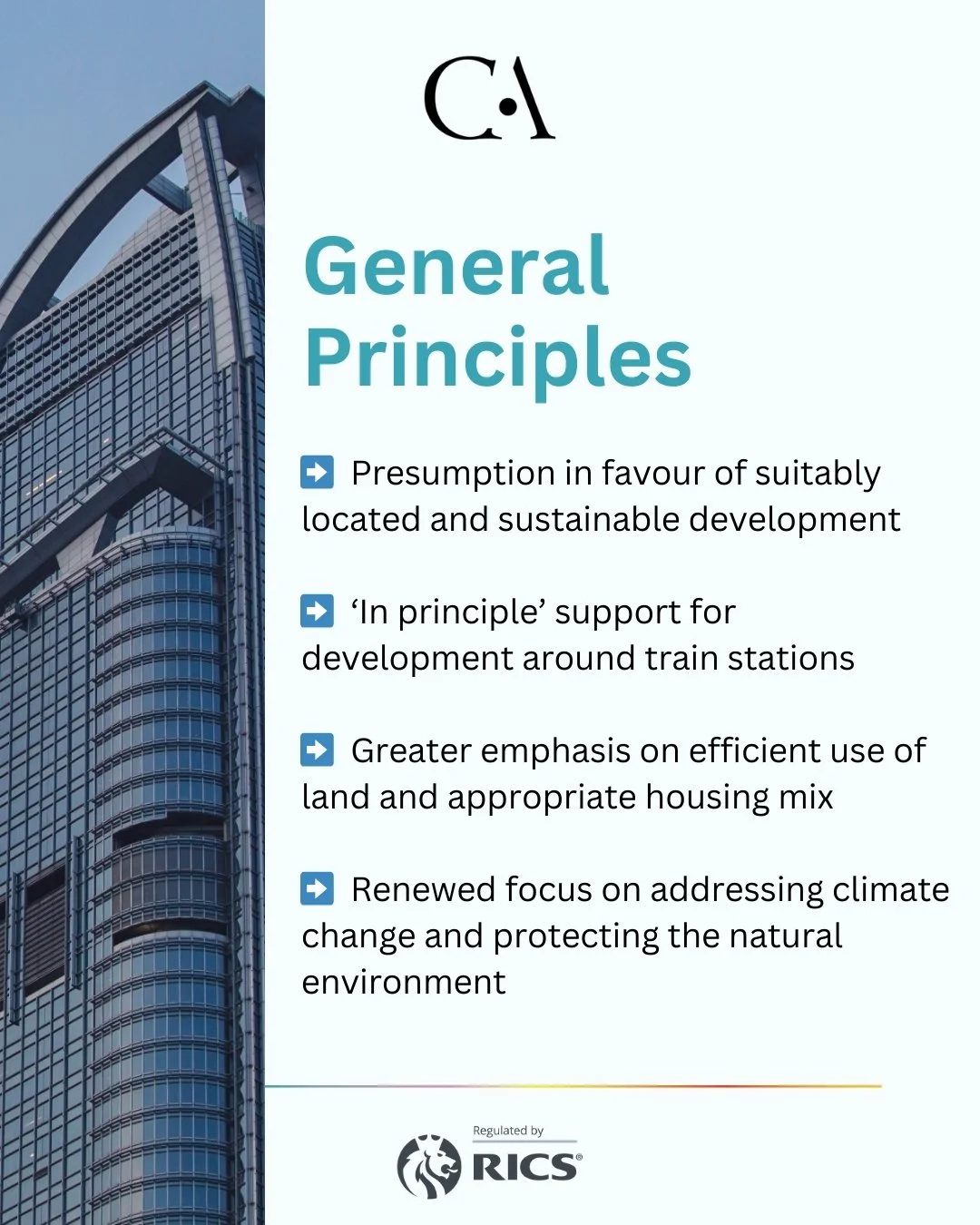
The draft NPPF proposes a fundamental restructuring of how planning policy is organised and applied. Among the key themes are a renewed emphasis on strategic planning, housing delivery and the presumption in favour of sustainable development.
The proposed changes appear to strengthen the Government's ambition to increase housing supply while ensuring that land is used efficiently and effectively.
For developers and planning professionals, these changes could have important implications for site optimisation, scheme design and planning strategy.
Greater Emphasis on the Efficient Use of Land
One of the most notable aspects of the draft framework is its stronger focus on making efficient use of land.
The proposed wording places greater weight on optimising development potential and includes a clearer expectation that proposals which do not make effective use of available land may face refusal.
This shift could have significant consequences for development density, urban regeneration projects and the way planning decisions are assessed.
As a result, design teams may increasingly need to balance development objectives with planning, environmental and neighbouring amenity considerations.
What Does the Draft NPPF Say About Daylight and Sunlight?
The relationship between daylight, sunlight and planning policy has long been an important consideration for developers and local planning authorities.
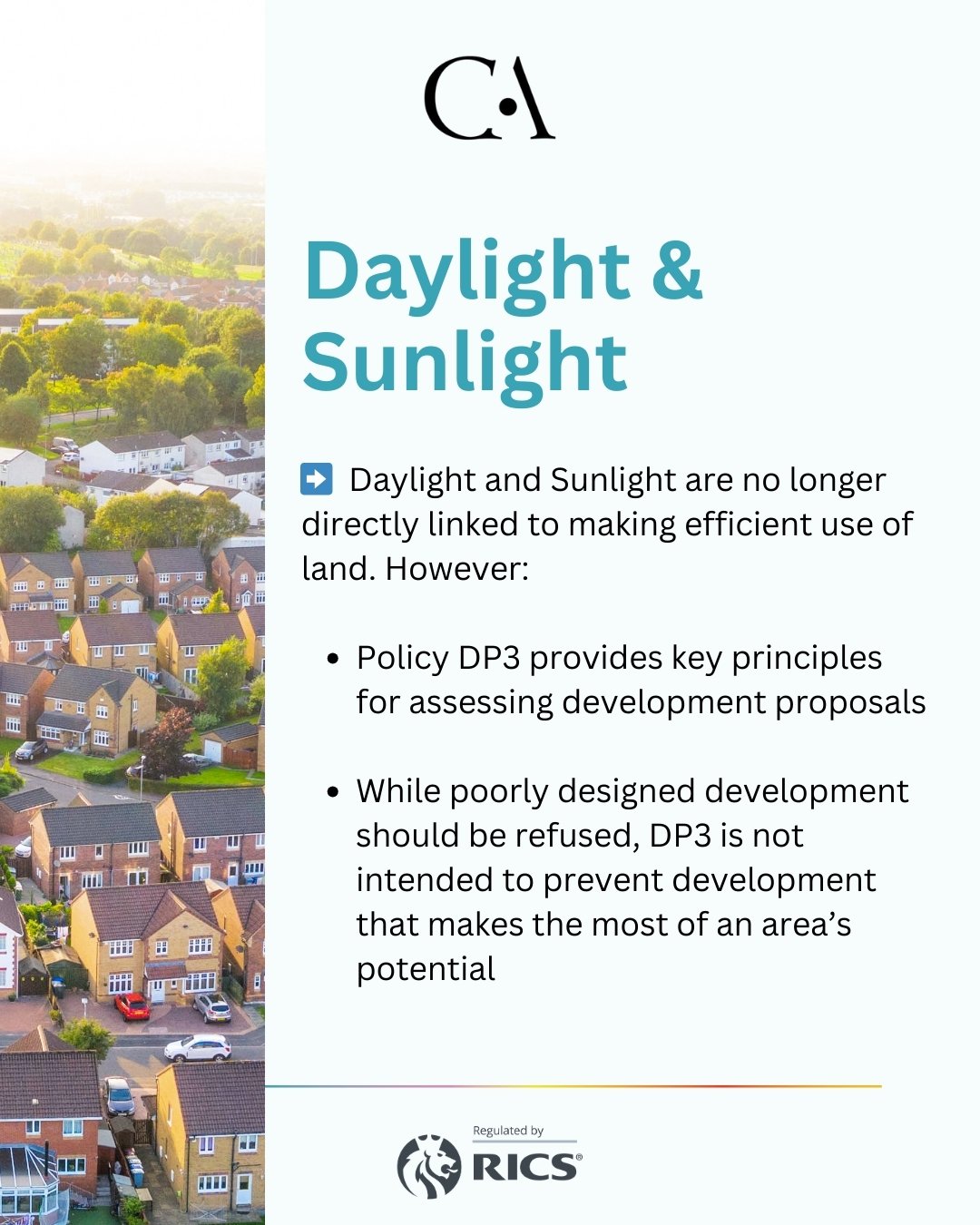
Under the current National Planning Policy Framework, there is an explicit link between taking a flexible approach to daylight and sunlight considerations and the objective of making effective use of land.
The draft NPPF appears to take a different approach.
Rather than directly linking daylight and sunlight considerations to land optimisation, the proposed framework addresses these topics separately while simultaneously increasing the overall emphasis on efficient land use.
While the practical implications of this change remain to be seen, it may influence how planning authorities balance amenity considerations against development objectives in future decision-making.
Implications for Developers and Planning Teams
As the planning landscape evolves, understanding the interaction between planning policy, development viability and environmental considerations will become increasingly important.
Early-stage Daylight and Sunlight assessments can help development teams understand potential risks, identify opportunities and support informed design decisions before planning applications are submitted.
For developers working on higher-density schemes or complex urban sites, careful consideration of daylight and sunlight impacts is likely to remain a key part of the planning process regardless of how the final NPPF is adopted.
Looking Ahead
The consultation period provides an opportunity for industry professionals to review the draft proposals and contribute feedback before the framework is finalised.
As specialists in Daylight, Sunlight and Rights of Light consultancy, we will continue to monitor developments and assess the potential implications for our clients and the wider property industry.
The draft NPPF introduces several important changes that could shape development and planning policy for years to come. Understanding how these changes interact with daylight, sunlight and wider amenity considerations will be essential for developers, architects and planning consultants navigating future projects.
Please do not hesitate to contact us at enquiries@century-associates.co.uk, or on 07554 939 187, for advice.